The Website Visitor Playbook: Turning Traffic Into Pipeline
Most visitors leave unseen. Learn how to turn that traffic into pipeline using HubSpot and connected AI tools to reveal, qualify, and engage buyers.
written by: Adam Statti

Most visitors leave unseen. Learn how to turn that traffic into pipeline using HubSpot and connected AI tools to reveal, qualify, and engage buyers.
written by: Adam Statti
Most startups spend time and money driving traffic through ads, SEO, and campaigns. But nearly 98% of those visitors leave without filling out a form.
Those are potential customers slipping away every day, and with 61% of all web traffic now coming from mobile devices, most of those missed opportunities are happening on screens where attention is short and forms are harder to fill out.
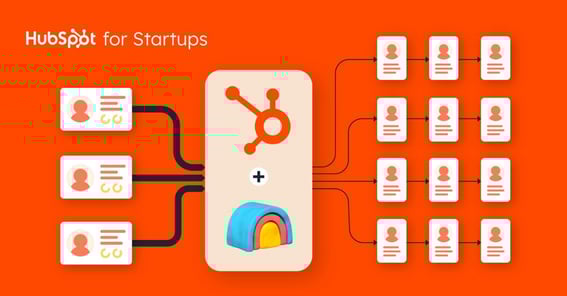
This playbook shows how to uncover, qualify, and engage those visitors using HubSpot, Clay, and connected AI tools.
The goal is simple: turn invisible activity into visible pipeline.
Key outcome: Turn existing traffic into a reliable source of qualified opportunities.

If you’re running a startup, you likely spend hours driving traffic only to watch most of it vanish into thin air.
This playbook is built for teams that want to change that.
Startups don’t have endless budgets or time to waste. Every visitor who shows even a hint of interest deserves attention.
This playbook gives you a simple, repeatable way to catch that interest while it’s new. You’ll see who’s visiting, know if they fit your ideal customer profile, and engage them through HubSpot before they slip away.
The answer doesn’t have to be more traffic. It’s about making your existing traffic count.
Once you can see who’s visiting your site, the next question is what to do with that information.
That’s where warm outbound comes in.
Warm outbound means reaching out to people who already know your company, like visitors who’ve spent time on your site, watched a webinar, or read your content. They’ve already shown curiosity. You’re simply starting a conversation while that interest is still fresh.
Cold outreach, on the other hand, targets people who have no connection to your brand. You have to earn trust and fight for attention. In fact, the average success rate for cold calling fell to just 2.3% in 2025, down from 4.82% the year before, showing how much harder it’s becoming to break through with purely cold tactics.
Warm outbound skips that uphill battle.
It works better for startups because:
According to HubSpot research, about 60% of buyers want to connect with sales during the consideration stage. That’s exactly the moment warm outbound reaches them, when they’re actively looking for a solution like yours.
This playbook turns website visits into real conversations by connecting a few tools that work together behind the scenes. Each one handles a specific job, from identifying visitors to sending outreach, so the whole process runs automatically once it’s set up. Teams that follow this kind of connected, automated approach see 37% better lead quality and 28% shorter sales cycles than those that rely on manual handoffs.

|
Tool |
What it does |
Why it matters |
|
RB2B or Vector |
Finds out who’s visiting your site |
Reveals the companies and LinkedIn profiles behind anonymous traffic |
|
Clay |
Organizes and automates data |
Cleans, enriches, and connects all the moving parts |
|
Octave |
Scores fit and writes messages |
Qualifies prospects and drafts short, relevant emails |
|
HubSpot (+ Smartlead optional) |
Sends and tracks outreach |
Manages contacts, workflows, and reporting so nothing falls through the cracks |
Goal: Identify visitors showing strong intent
How:
Goal: Create one clean workspace for your data
How:
Goal: Focus on the right visitors
How:
If you want to sharpen your warm outbound motion and improve reply rates, here's a quick video from Melissa McGaughey at RevPartners showing how to build hyper-specific ICP lists directly inside Clay.
Goal: Fill in the missing details
How:
Goal: Make outreach relevant and human
How:
Goal: Activate everything you’ve built
How:
Not every startup needs to flip the auto switch right away. If you’re still testing or building your first motion, there are lighter ways to start running this play without a big tech stack or spend.
Here are two easy versions you can launch this week:

This version keeps everything inside HubSpot, powered by RB2B. It’s fast to set up and enough to prove that the play works.
How it works:
This is a no-code, low-effort setup that helps you validate ROI before layering in Clay or Octave later.

If your team wants to test the full logic before investing in automation, you can build the same workflow manually using free tools.
How it works:
This approach takes more time but costs almost nothing. More importantly, it helps your team understand every part of the workflow before turning it into a fully automated play. When you know each step, it’s easier to stay consistent. It takes about five touches on average to get a response from a prospect, no matter how warm the lead, so having a clear follow-up process keeps the play working.
Don’t measure this play on vanity metrics like opens or clicks.
Core metrics:
Startups grow faster when they make every click count.
The playbook outlined above helps you reveal who’s already showing interest, qualify them automatically, and reach out while the intent is still warm.
It’s a smarter way to grow, powered by Clay and HubSpot, and proven to turn traffic into pipeline.
If you’d like to see it in action, RevPartners (an official Clay Studio Partner and Elite HubSpot Solutions Partner) can build the workflow for you for free.
Your next customer might have visited your site this morning. Let’s help you meet them.

Adam Statti is a Content Manager at RevPartners, where they engineer revenue outcomes for GTM owners on HubSpot. When not writing, he’s hitting, catching, or pitching baseballs with his three young sons.